



See
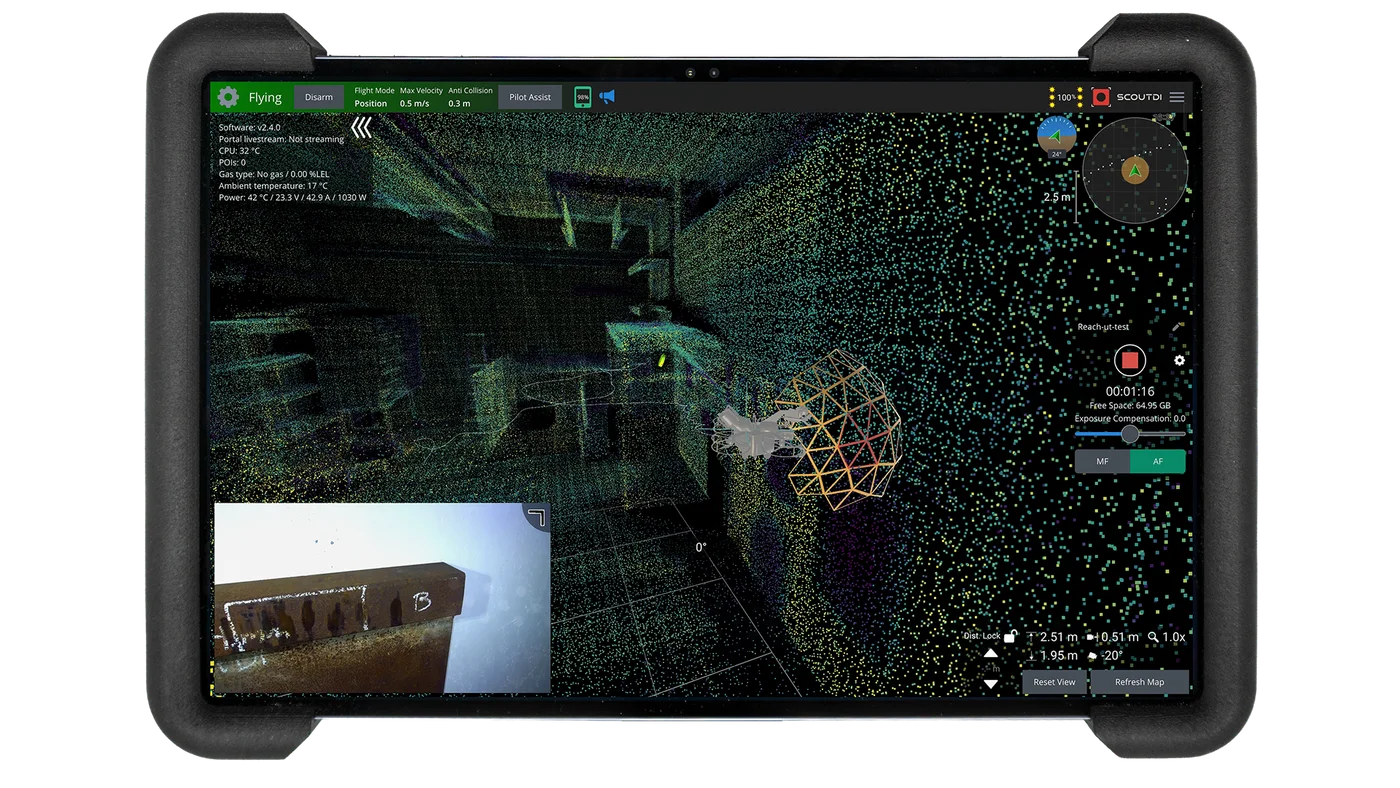
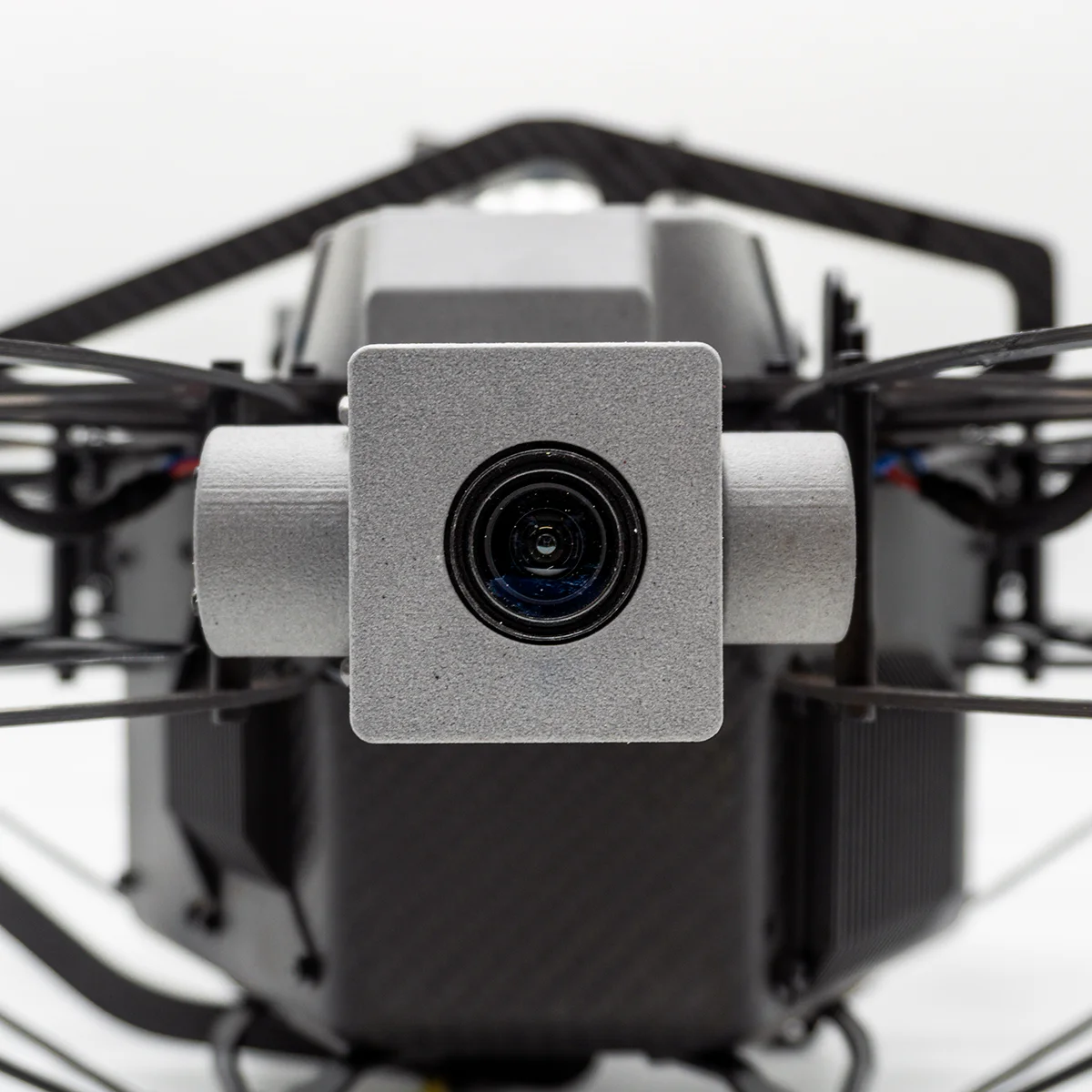
4K Zoom Camera
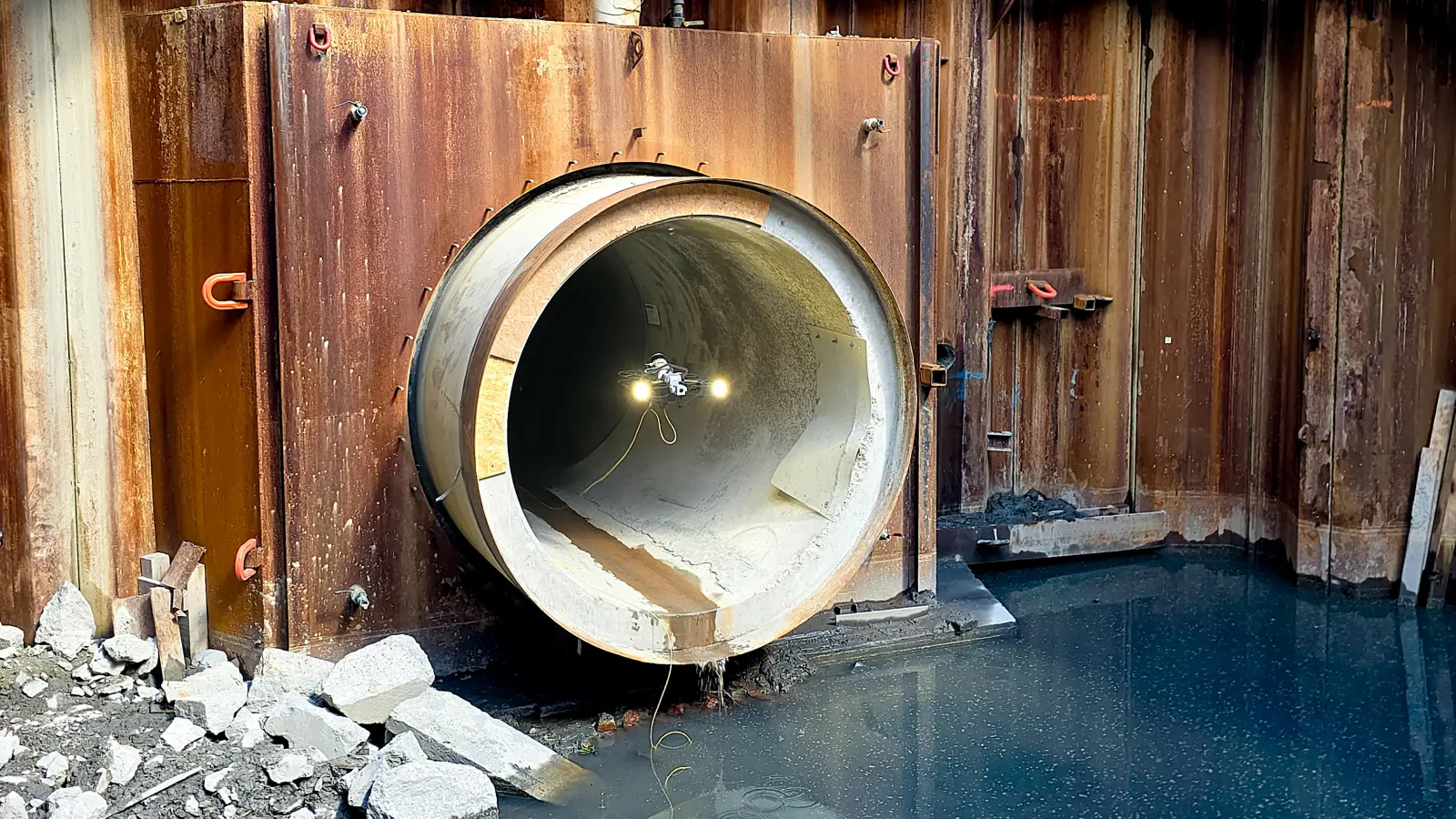
4K video and stills with 3.5× optical zoom and 12 000 lumen of integrated lighting. Reveals weld seams, corrosion, and defects in confined, low-light spaces no inspector can enter safely.
Explore
Scout 137 Gen 3
Scout 137 Gen 2
Software
Content
Company
Industrial inspection End-to-end
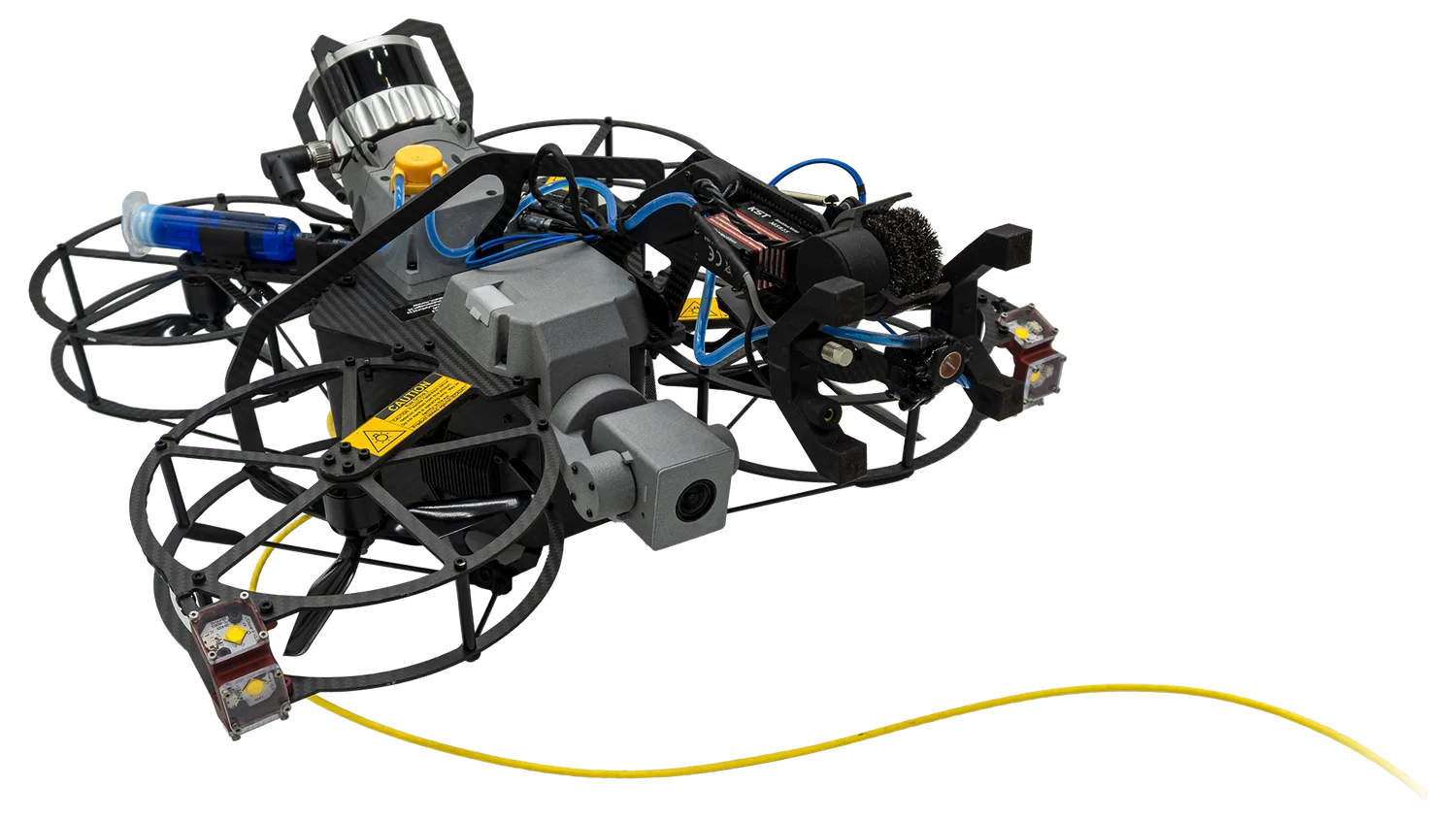
Scout 137 tethered drone with unique payloads for confined-space inspection. Scout Portal for analysis, reporting, and sharing. Built to inspection standards trusted by DNV, Bureau Veritas, LR, ABS, and API.
Built to inspection standards, for Asset owners Operators Inspection service providers



 Certified
ISO 9001
Certified
ISO/IEC 27001
Certified
ISO 9001
Certified
ISO/IEC 27001 Applications
Tanks, vessels, chimneys and cargo holds. Six application domains where trustworthy inspection data replaces human entry into confined spaces.
Cargo holds, ballast tanks, FPSOs, turbine foundations. Inspection without entry, output ready for class survey.
Explore →Refineries, storage tanks, pressure vessels, columns. Land-based process facilities. Visual plus UT, in one flight.
Explore →Penstocks, boilers, flue stacks and spillways — plus reactor containment. Hydro and thermal assets surveyed without dewatering or scaffolding.
Explore →Active shafts, stopes, abandoned workings. Proven at 400 m mine depth.
Explore →Tunnels, reservoirs, dams, sewers, water systems. Confined and constrained civil assets, captured cleanly.
Explore →DNV, Bureau Veritas, LR, ABS, and API workflows. Inspection output that passes class review across marine, energy, and asset integrity.
Explore →In one flight
One tethered drone: see, measure and locate the asset in a single flight, then turn it all into a report in Scout Portal.
See
4K video and stills with 3.5× optical zoom and 12 000 lumen of integrated lighting. Reveals weld seams, corrosion, and defects in confined, low-light spaces no inspector can enter safely.
ExploreMeasure
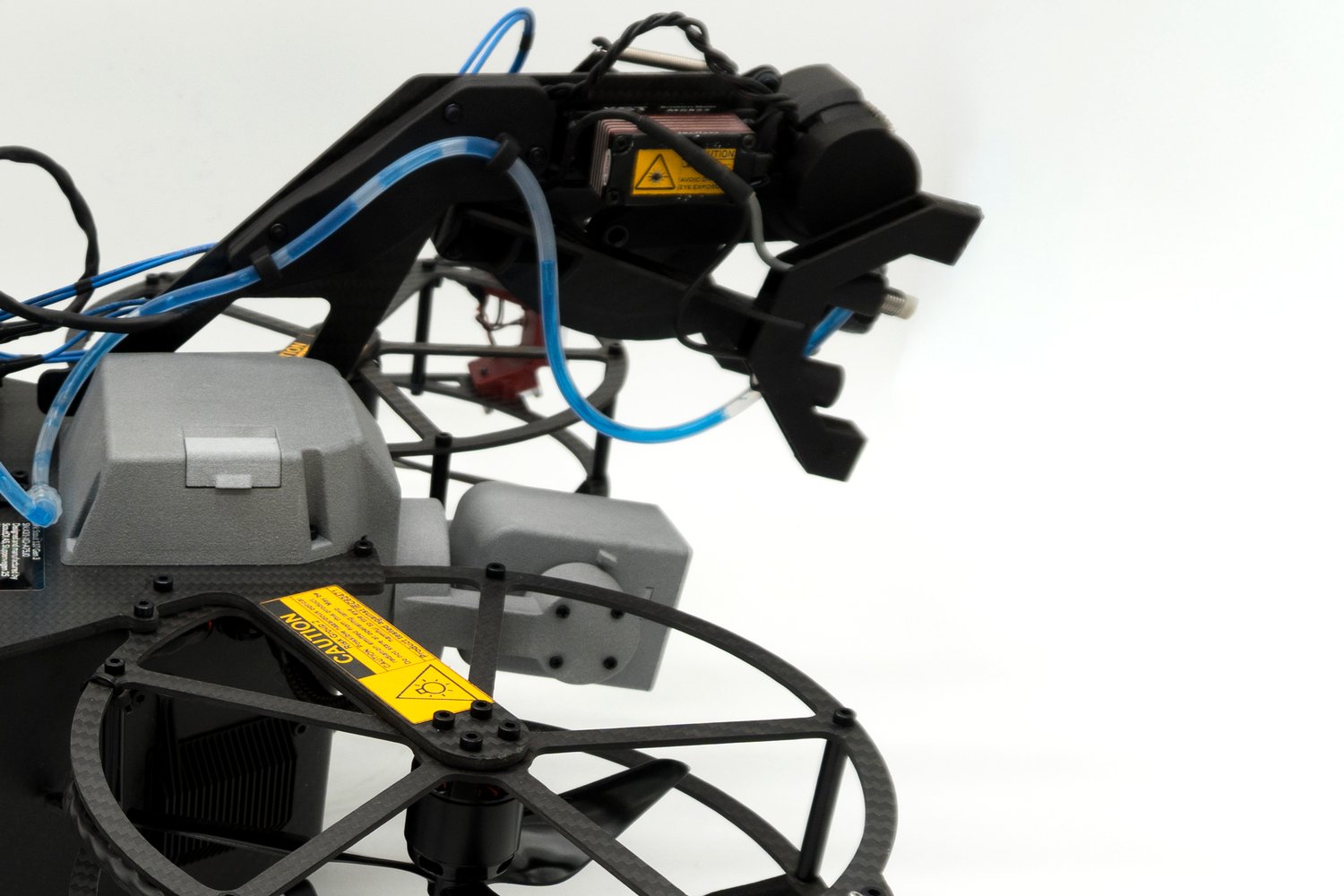
Live UT with built-in surface brush and couplant deployment: the flagship measurement payload, replacing rope access and scaffolding with readings on first contact.
ExploreContinuous flammable-gas monitoring on every flight: 14 flammable gases including methane, propane, and ethylene. Two-tier LEL alerts logged with flight data; a safety supplement, not a substitute for confined-space clearance.
ExploreThe modular payload bay is built to grow. We won't spoil what's next, but we listen to what the industry whispers about. Got an inspection problem we should solve?
Locate
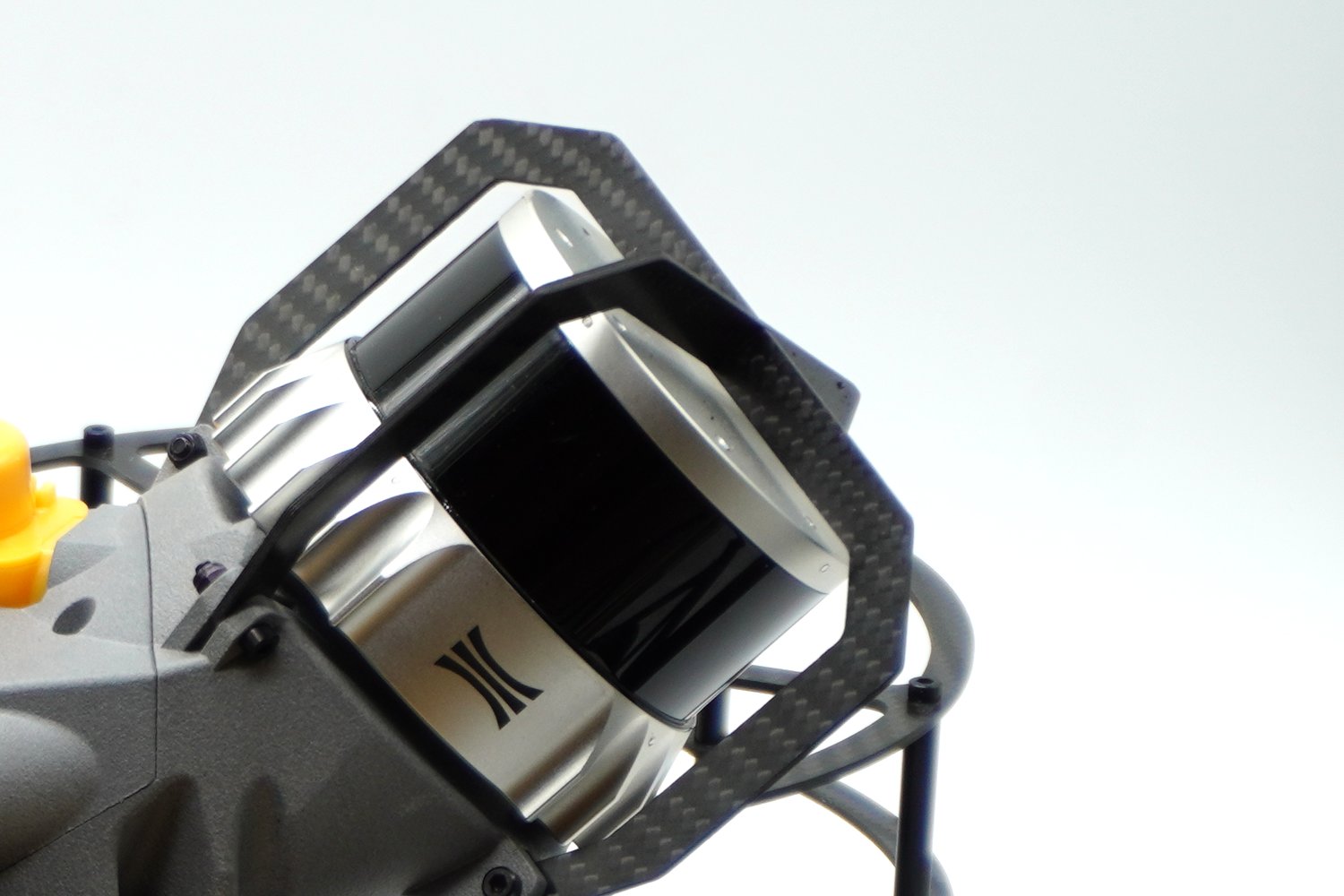
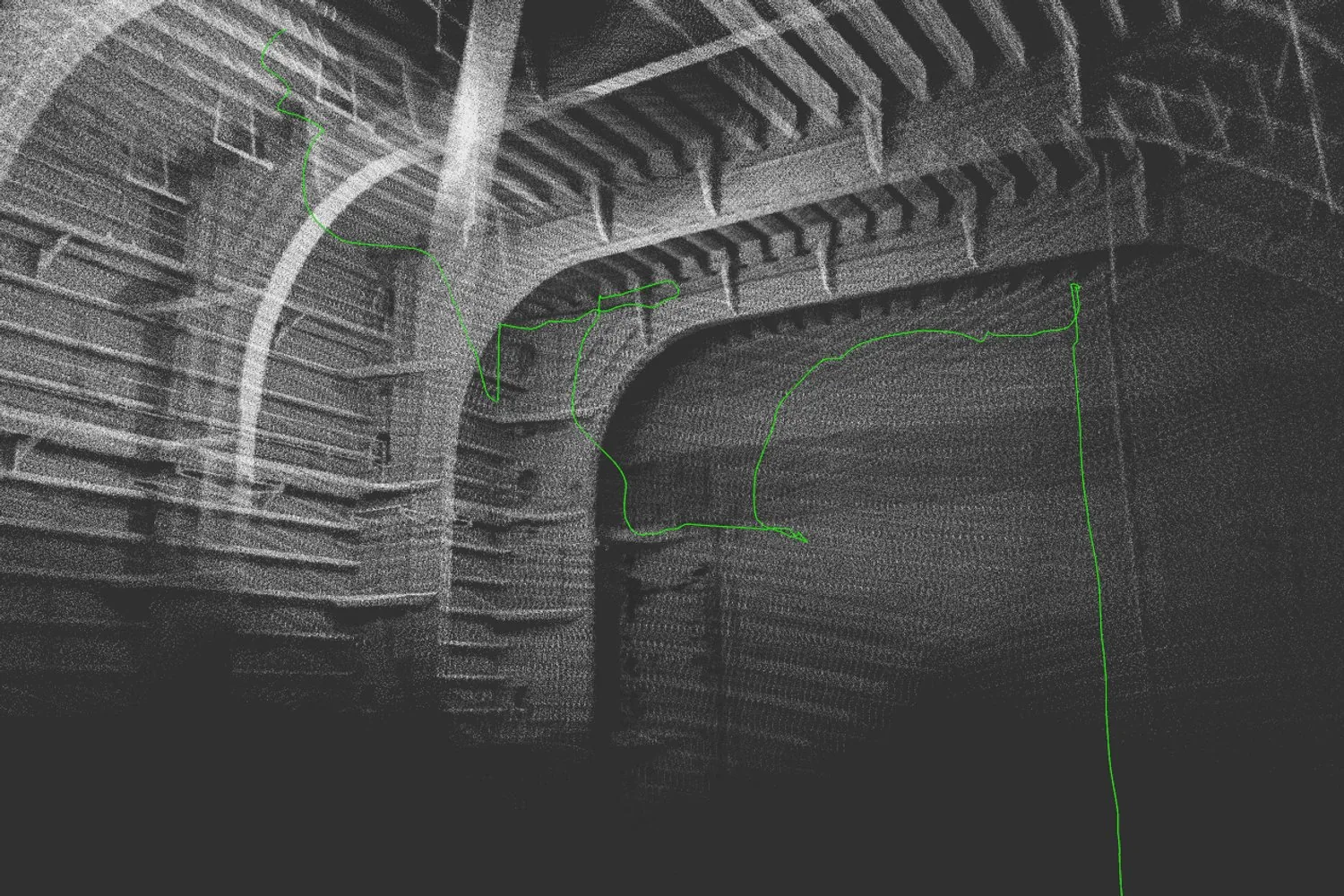
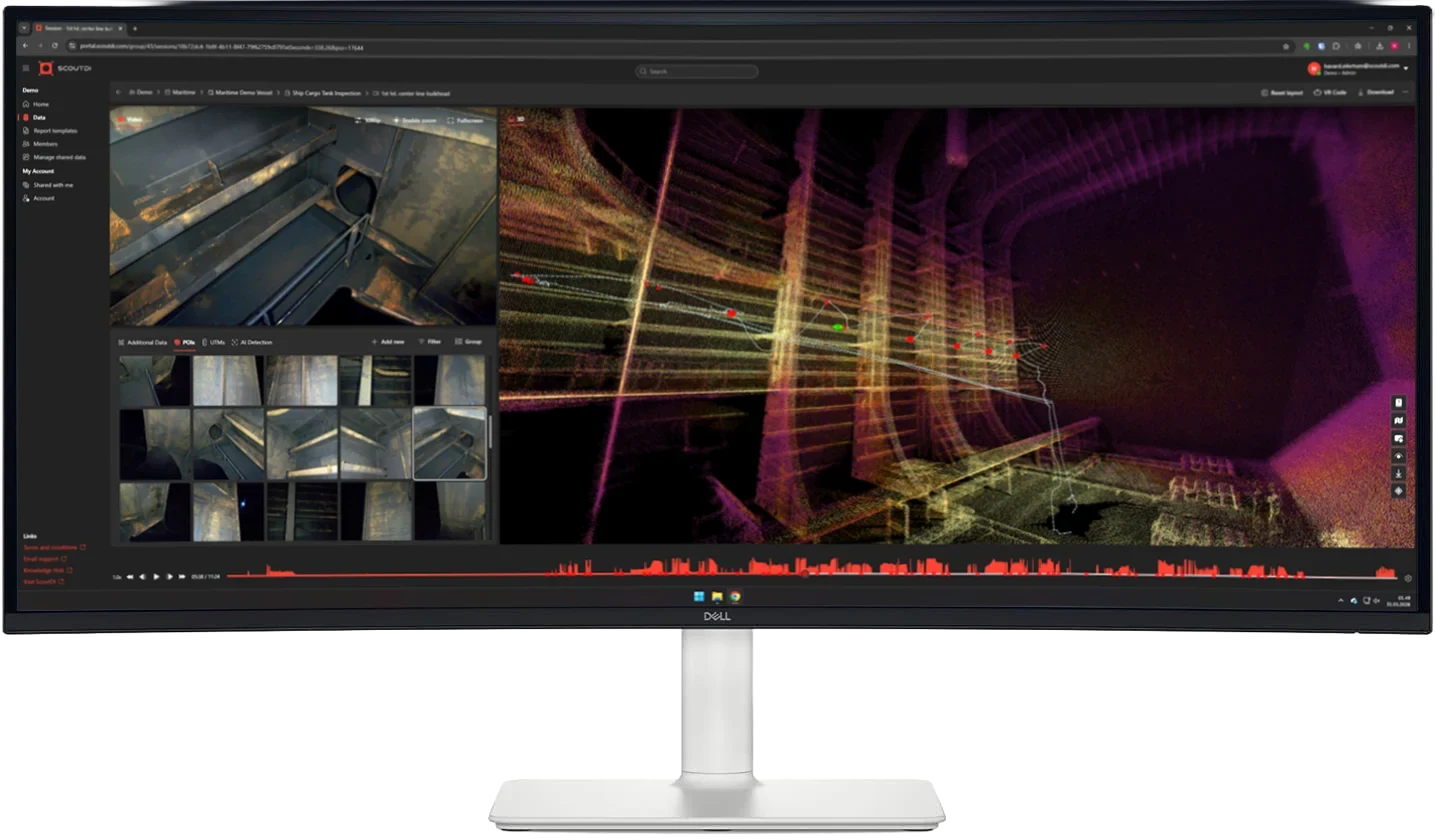
SLAM navigation in GPS-denied spaces, location-tagged measurements on every reading, and survey-grade point cloud export. Powers digital twins, BIM workflows, CAD models, and as-built documentation, all captured in one flight.
ExploreEvery flight exports a survey-grade point cloud of the asset interior, flight path included. Drop it straight into digital twins, BIM workflows, CAD models, and as-built documentation.
ExploreReport
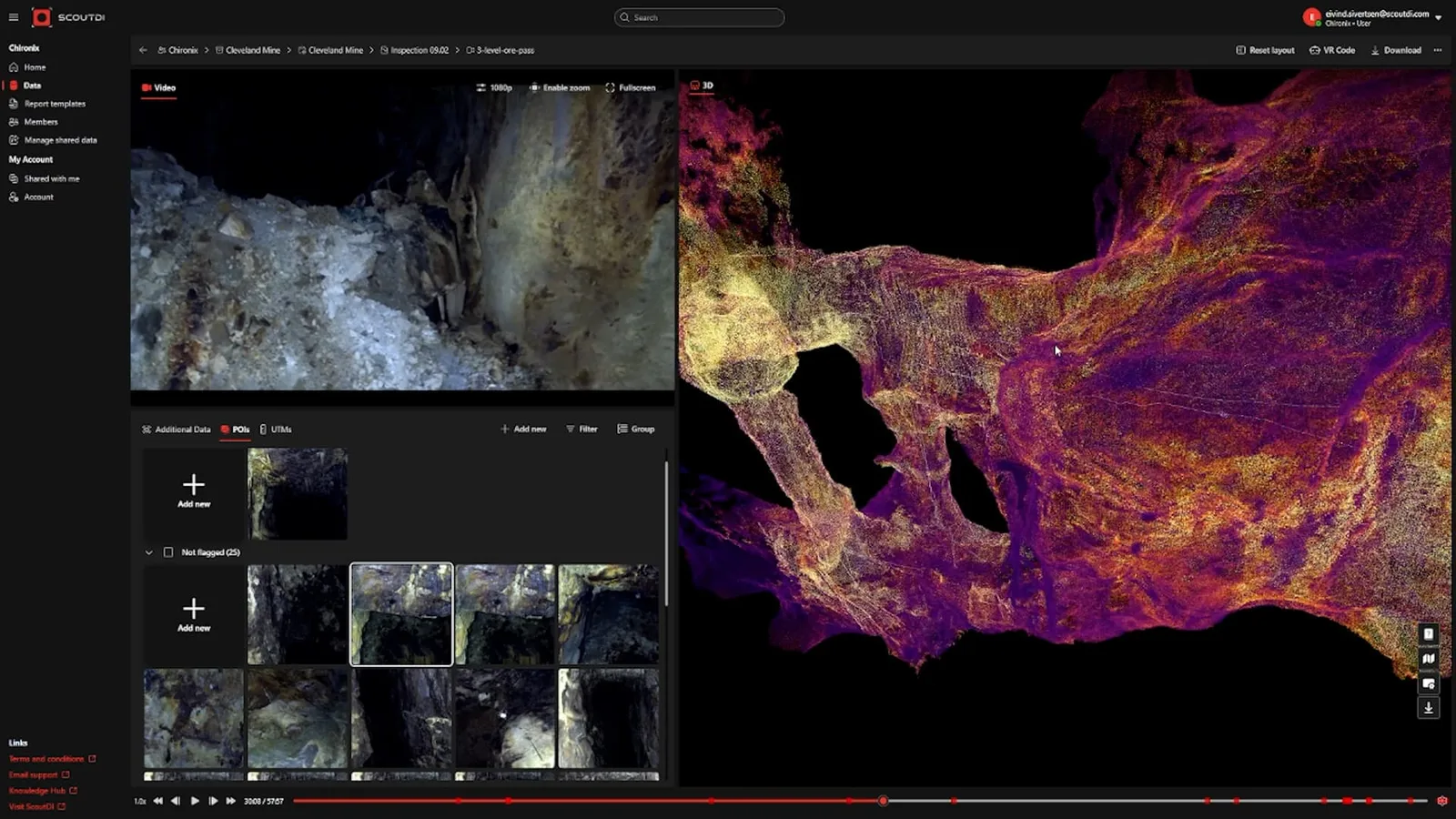
The flight is half the job. Scout Portal turns every capture into a report.
One platform. Two ways to use it.
Stream the flight to specialists, auditors and asset owners anywhere. Decisions get made during the inspection, not after the report lands. No travel, no second visit.
Back at the desk: review captures, tag findings on the 3D model, and build a report for each stakeholder: class, regulator, owner. One data layer, role-based access, full audit trail.
Products
Scout 137, its payloads, and the software that turns flights into inspection deliverables.
Explore productsServices
Maintenance, calibration, repair, and OEM spare parts directly from ScoutDI or a regional partner. Keeps the fleet inspection-ready.
Support hubTraining
Self-paced certification courses that train operators to fly, inspect and maintain Scout 137, so every operator stays qualified and current.
Open AcademyWhy ScoutDI
Climbers, scaffolding, and confined-space teams stay outside. The drone goes in.
Unlimited flight time means inspections finish in one shift, not one shutdown window.
No rope-access crews, no nitrogen-purge windows, no helicopter mobilisation.
Location-tagged, defensible data that drives confident decisions. It holds up under class, regulator, and internal review.
“ScoutDI is the most forward-thinking drone technology company we have dealt with. Heavyweights such as DNV and Equinor stand behind them — putting ScoutDI at the forefront of the industry.”
Stein Hanssen Senior Operations Coordinator IKM Testing
How to get started
Whether you deliver inspection as a service or own the asset, there is a way in, designed for your role.
Inspection service providers
Add Scout 137 and Scout Portal to your existing inspection toolkit. Bring trustworthy, defensible data into your service offering, train your team via Scout Academy, and deliver reports your asset-owner clients can act on.
Asset owners & operators
Replace human entry into confined spaces with trustworthy inspection data. Depending on your operating model, we or your local ScoutDI partner either connect you with a certified inspection service team that runs Scout 137 in your region, or work directly with your in-house operations and service team. Either way, output holds up under class, regulator, and internal review.
Talk to us Worldwide partner network
Our local ScoutDI partners deliver Scout 137, Scout Portal, training, and service in your market and language. They are trained and certified by us, so you get the same support quality, wherever you are. Want it straight from the source? Get a live demo with our team, online or in person: real footage from the field, a Scout Portal walkthrough, and a quote tailored to your fleet.
Upcoming events