Using Scout 137 Gen 3 in coke drum inspection; adding better visual data, not changing the rules

Coke drum inspection is already a well-defined discipline. Laser-based systems mounted on the drill stem are used to capture the internal surface profile of the drum. Distance measurements are converted into a 2D heat map of the cylindrical and conical surfaces, allowing deformation and changes in the drum surface profile to be identified and evaluated.
That data is essential. But it is not the whole picture.
Visual inspection is a separate activity, with a different purpose and different constraints.
The limits of drill-stem cameras
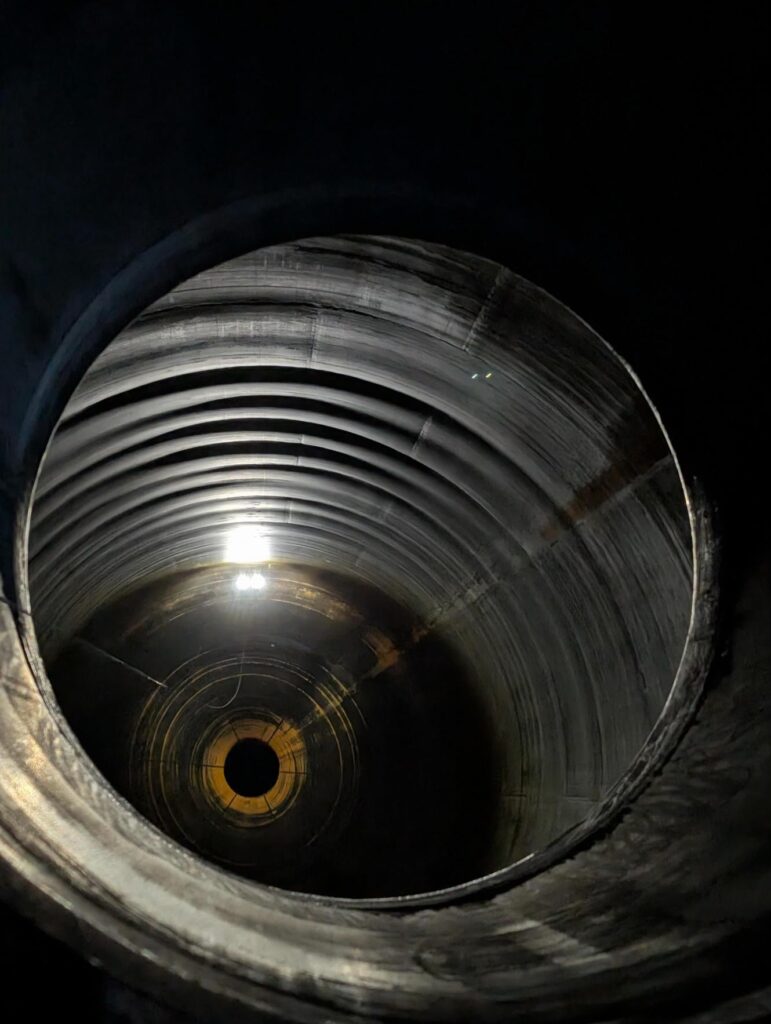
The camera is fixed to the drill stem throughout the inspection, so its position and viewing angle are dictated by the drill stem rather than the requirements of the visual inspection. While the entire vessel can be examined, inspectors have limited flexibility to position the camera for optimal viewing of specific features of interest.
A free-flying inspection platform removes this constraint by allowing the camera to be positioned independently of the drill stem.
Where a drone actually helps
A free-flying drone does not replace laser-based bulge detection. It improves the visual inspection layer that accompanies it.
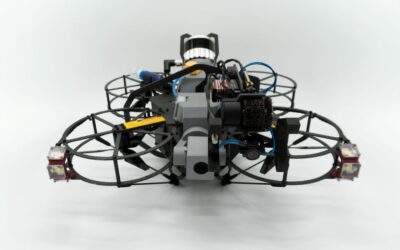
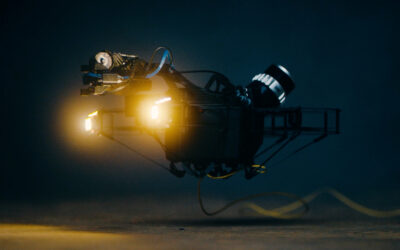
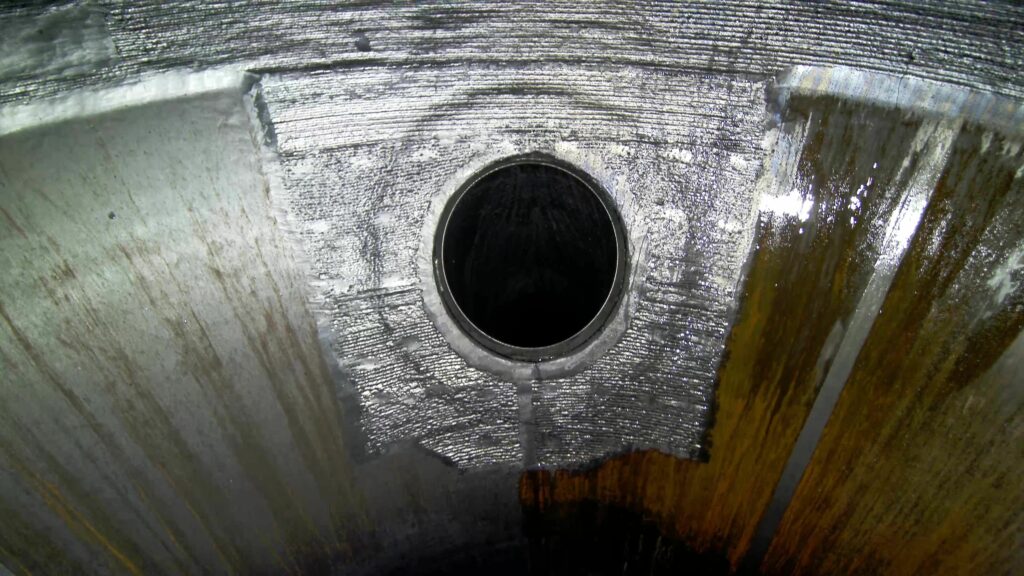
Scout 137 Gen 3 operates independently of the drill stem, allowing visual inspection to be carried out under controlled conditions. The camera is no longer mounted on rotating equipment or buried in debris. With a true 4K camera, visual inspection becomes materially more useful. Surface features, deformation patterns and structural details are resolved clearly, not guessed at.
Operating independently of the drill stem also frees the drilling system for other critical activities. During normal operation, this can allow decoking activities to continue on adjacent drums where drilling-system availability is required. During turnarounds, freeing up the drill stem and associated winch systems allows other critical-path work to proceed that might otherwise have to wait for the drilling equipment to become available.
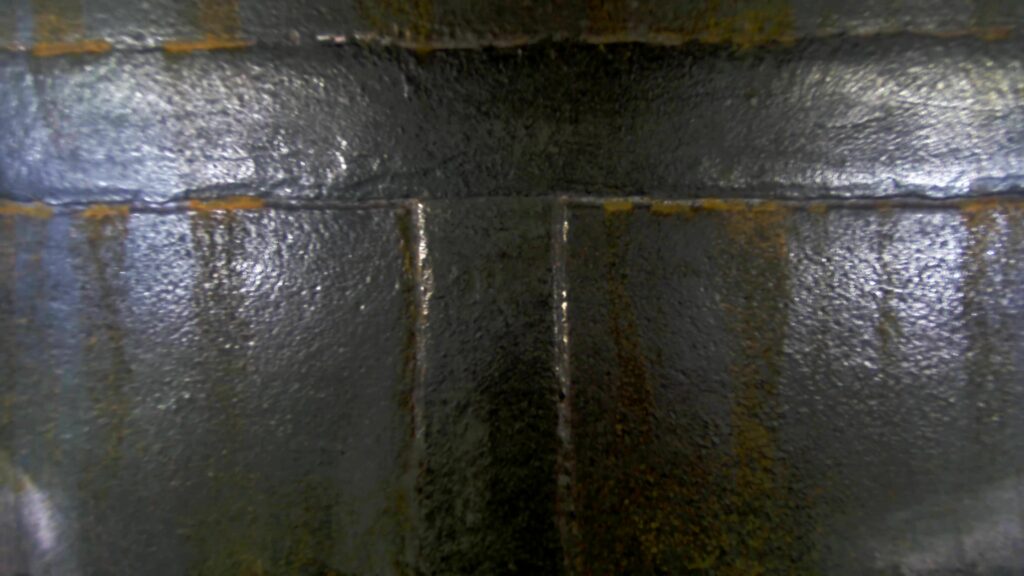
In practice, this gives the inspector the freedom to position the camera where it is needed rather than where the drill happens to be. Circumferential and vertical welds, transitions, and nozzle bores can be examined from the most effective viewing angle. Because every image is position-tagged, observations can be correlated to a specific location on the vessel and revisited during future turnarounds to monitor condition and progression.
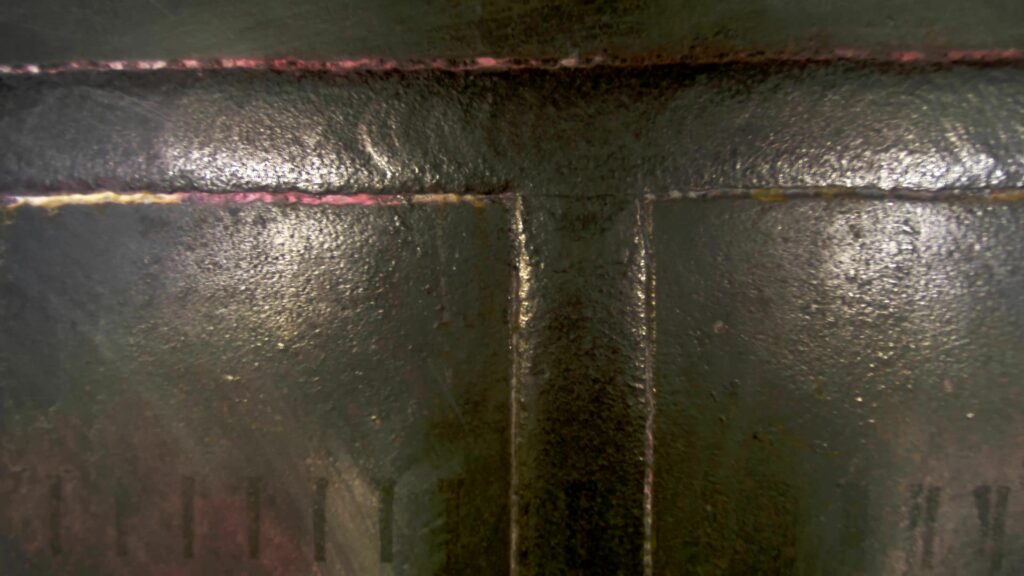
The addition of optical zoom matters. It allows inspectors to maintain a safe standoff distance while still capturing detail, which is particularly important in hot, turbulent environments.
Stability is what makes this usable
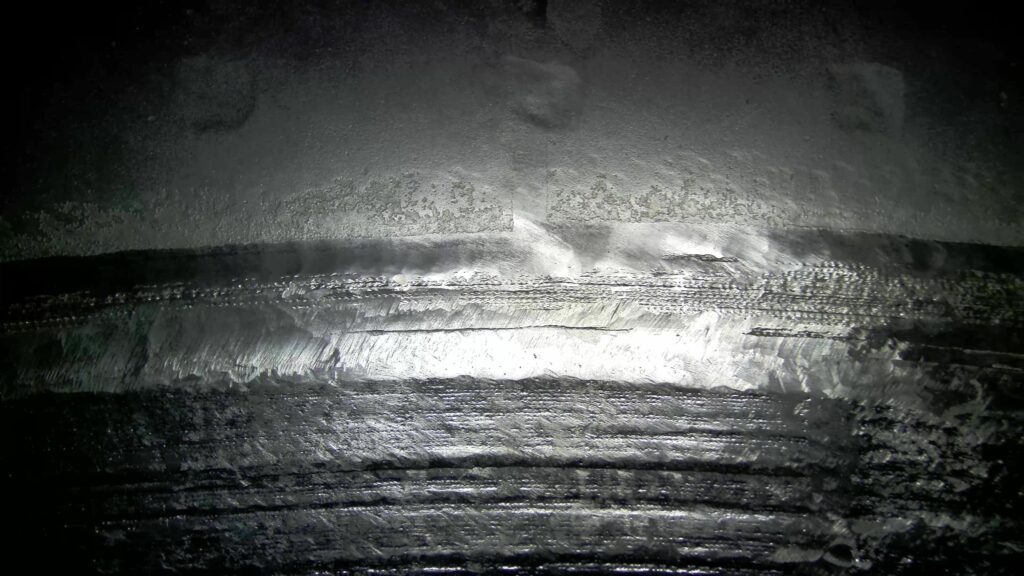
Coke drums are dominated by draft. Warm air rising inside, cold air entering from above. Battery-powered, lightly stabilized drones tend to drift and oscillate, forcing pilots to spend most of their attention just keeping the aircraft off the wall.
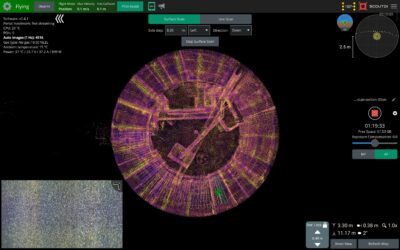
Scout 137 Gen 3 uses LiDAR-based navigation as its primary reference. Wall-lock actively maintains a controlled distance to the shell, even when the wall slopes or curves. The pilot does not need to manage proximity manually.
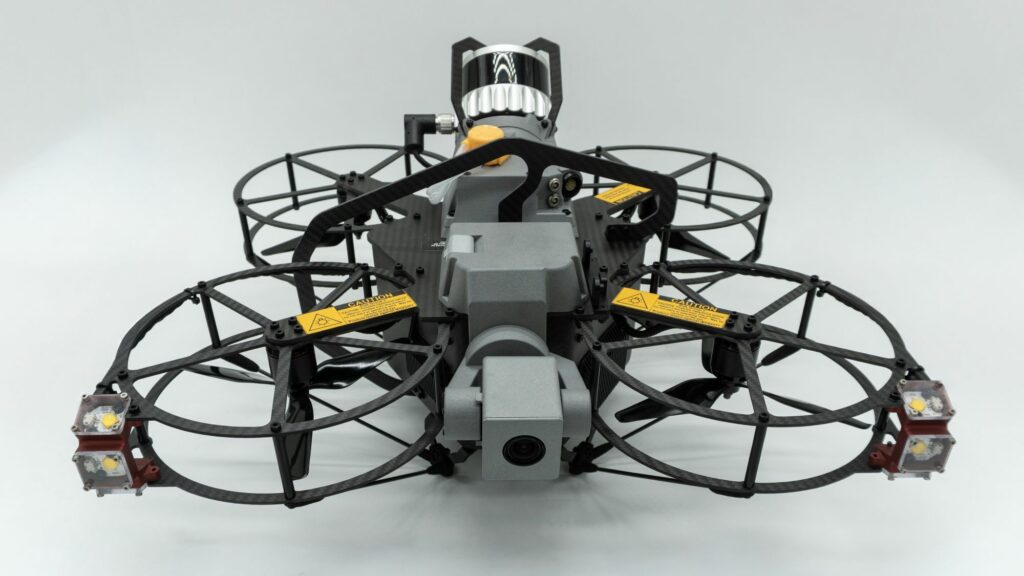
Combined with Auto Surface Scan, the drone can trace the wall in a repeatable, systematic way, producing consistent visual datasets with less effort and higher safety.
Scale, time and retrieval
Coke drums are large. Internal surface areas can approach that of a football field. Battery limits quickly become a bottleneck.
Scout 137 Gen 3 is fully wired. Unlimited flight time removes coverage pressure entirely. Just as important, retrieval via tether is a real operational advantage. If something fails, the inspection tool can be removed. A disabled radio-controlled drone left inside a coke drum is not a hypothetical problem.
Where this does not help
A drone does not replace laser-based bulge detection. It does not quantify deformation, and it does not remove the need for established integrity workflows. It adds value only where high-quality visual data is needed to support interpretation and decision-making.
Focus on inspection, not flying
Used correctly, Scout 137 Gen 3 allows inspectors to spend less time managing aircraft behavior and more time doing the actual inspection. The tool fades into the background, which is exactly where it should be.